Capacity and fit
We list bins ranging from 2 gallon indoor pails to 300 gallon expandable backyard systems to match your space.
Selecting a bin depends on how much waste you produce and where you plan to keep the container.
We group bins by their volume, material, and how they process waste. This set focuses on practical specs like gallon capacity and aeration features.
We list bins ranging from 2 gallon indoor pails to 300 gallon expandable backyard systems to match your space.
These listings highlight BPA-free plastics, stainless steel, and cedar wood options for safe soil production.
We track features like sliding doors, internal aeration tubes, and dual-chamber drums that help speed up decomposition.
Tumbling bins use rotating drums to mix waste easily. Static bins stay in one place and often hold more volume, like the 80 gal or 220 gal expandable models.
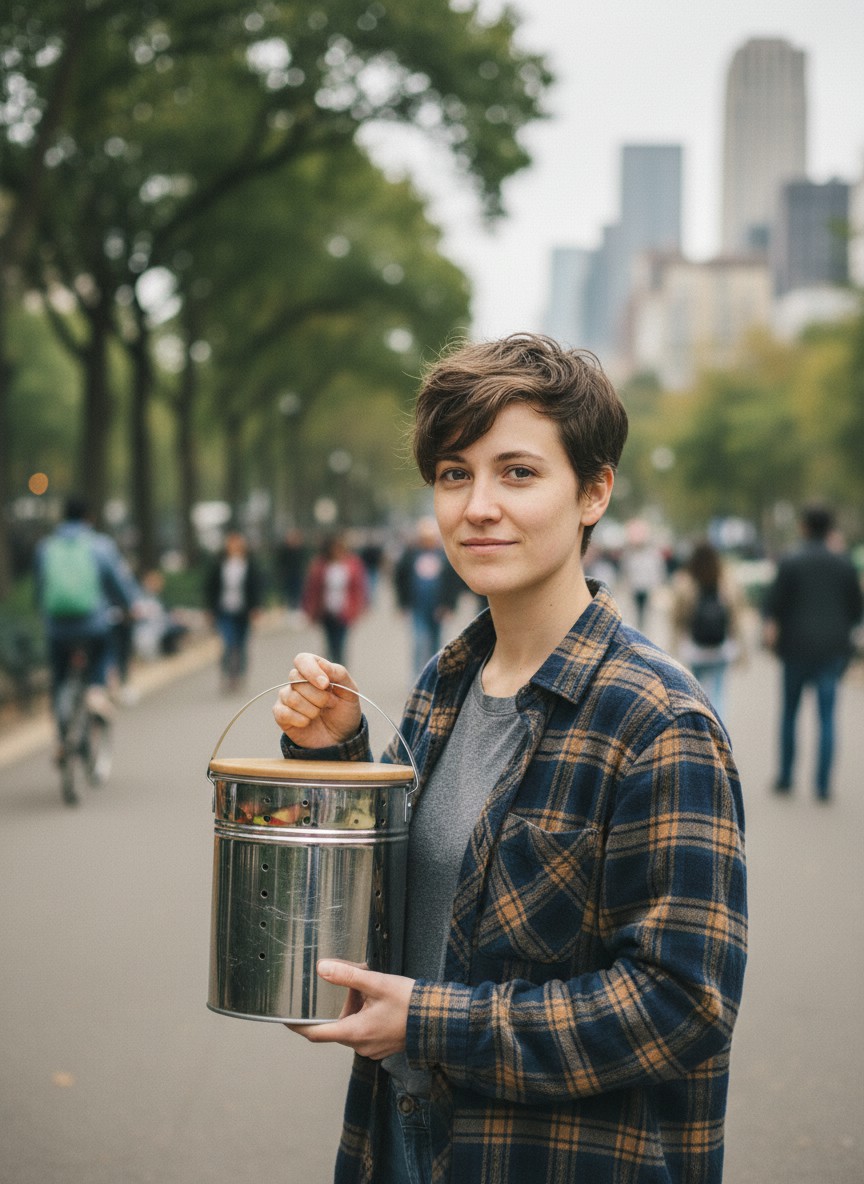
Small pails and ceramic bins sit on the counter to collect daily scraps. These often include filters to keep the kitchen smelling fresh.
Worm farms and Bokashi kits offer different ways to recycle food. In-ground bins are placed directly in garden soil to transfer nutrients to plants.
A collection is a short cut into the catalog
Bins designed to handle fruit peels, coffee grounds, and vegetable scraps
Compact bins for indoor use or small worm farms
Small containers for collecting daily food scraps in the kitchen
Odor-controlled solutions for kitchen countertops or under-sink storage
Rotating drums that make turning and aerating compost easier
Two compartments allow one side to cure while you add fresh scraps to the other
Bins made from food-grade materials that will not leach chemicals
Dark bins that absorb solar heat to speed up the composting process
The lower-priced listings in this catalog
Large bins for leaves, grass clippings, and garden debris
Standard sizes for backyard tumbling and stationary systems
Systems that use worms to turn food scraps into nutrient-rich castings