Fox Run
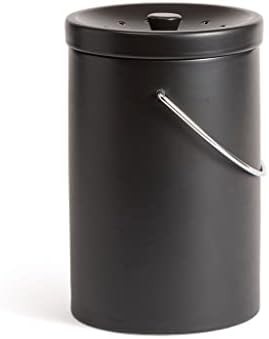
Black ceramic kitchen scrap bin for countertops
Black Food waste composters Countertop compost pails Indoor composters Composters with filters
Traditional pottery and clay designs for aesthetic indoor or underground use 4 bins · 3 brands
| # | Model | Details | Maker | See price |
|---|---|---|---|---|
| 1 |
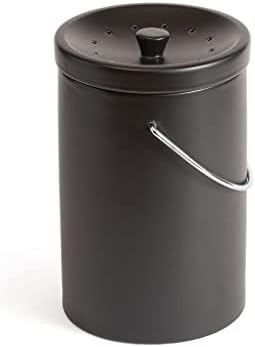
Fox Run Black ceramic kitchen scrap bin for countertops
|
Black · Food waste composters · Countertop compost pails | Fox Run | |
| 2 |
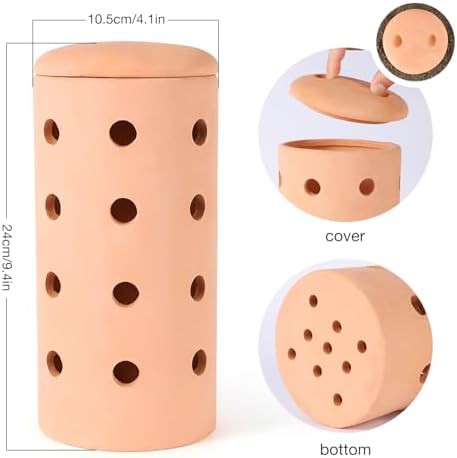
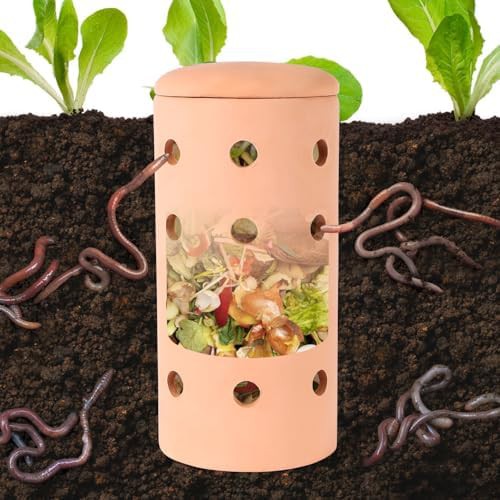 Tbpro Ceramic underground worm farm with lid
|
13" · Food waste composters · Cheap | Tbpro | |
| 3 |
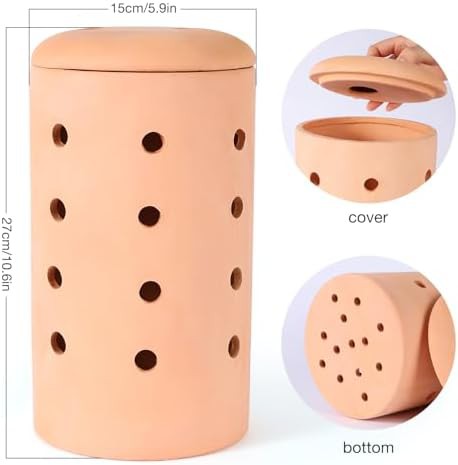
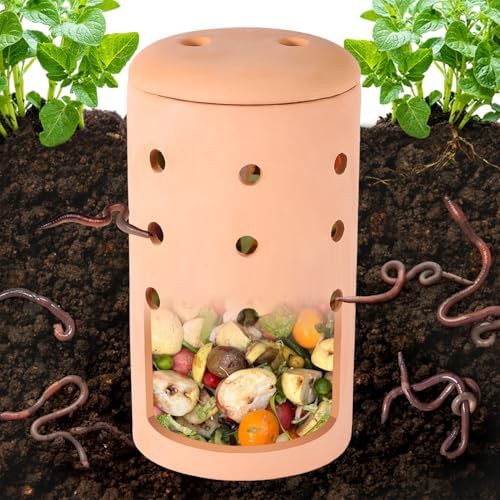 Tino Kino Eleven inch ceramic underground worm farm
|
Red · Food waste composters · Small | Tino Kino | |
| 4 |
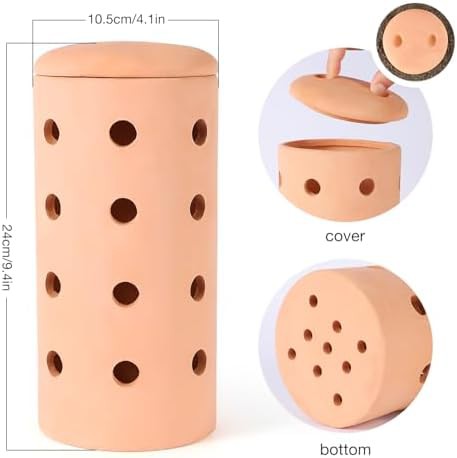
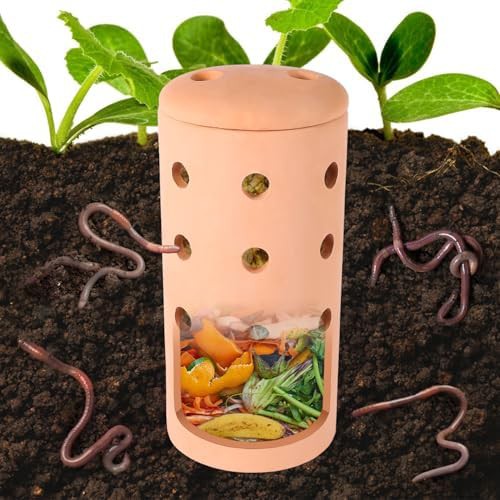 Tino Kino Ten inch clay underground worm composter
|
Food waste composters · Worm composting bins · Underground composters | Tino Kino |
Black Food waste composters Countertop compost pails Indoor composters Composters with filters
13" Food waste composters Cheap Worm composting bins Underground composters
Red Food waste composters Small Worm composting bins Underground composters
Food waste composters Worm composting bins Underground composters Composters for raised beds
Bury it up to the rim so the lid sits at or just above soil level and worms can enter through the holes.
Yes, but freeze-thaw cycles can crack unglazed clay, so check for damage after hard winters.
Most ceramic countertop bins rely on a tight lid rather than a filter to contain odors short term.
Underground pots run around 10 to 13 inches in diameter, while countertop crocks are smaller and sit on a counter.
Ceramic compost bins are fired clay or pottery vessels, often glazed or left raw, used for underground worm farms or as countertop collection. The underground style is a pot with holes and a lid that sits buried in a garden bed, letting worms move in and out through the openings. Countertop versions are solid ceramic crocks that hold scraps temporarily before they go to a pile or bin.
Underground ceramic bins work as in-soil worm farms: bury the pot up to its rim, add food waste, and worms enter through the holes to feed. This keeps scraps out of sight and delivers nutrients directly to surrounding soil. Countertop ceramic bins are for short-term holding, not active decomposition, and suit kitchens where a plastic pail is unwanted.
The tradeoff with ceramic is fragility. A dropped lid or a strike from a garden tool can crack the pot, and repair is difficult. Compared with plastic or stainless steel, ceramic is heavier, holds temperature more steadily, and does not absorb odors when glazed. Compared with cedar, it will not rot, but it also will not flex or breathe.