 9.3
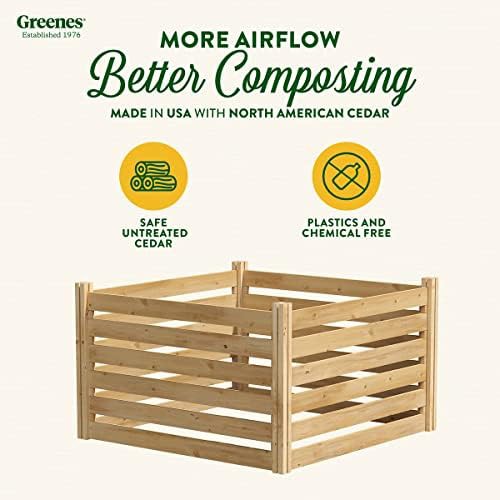
Greenes Fence
Premium cedar wood expandable outdoor composter
$151
Extra large composters Expandable
Natural, rot-resistant wood bins that blend beautifully into garden landscapes 4 bins · 2 brands
| # | Model | Details | Maker | Range | See deal |
|---|---|---|---|---|---|
| 1 |
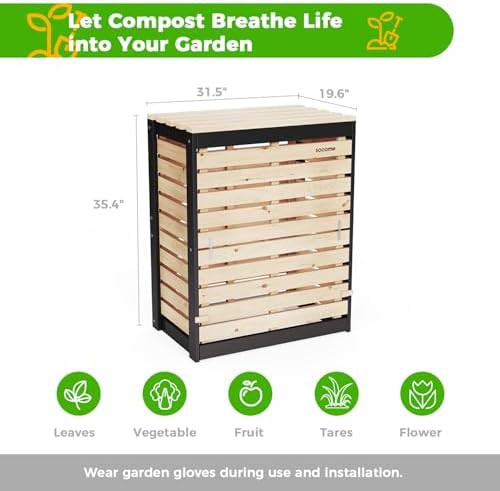
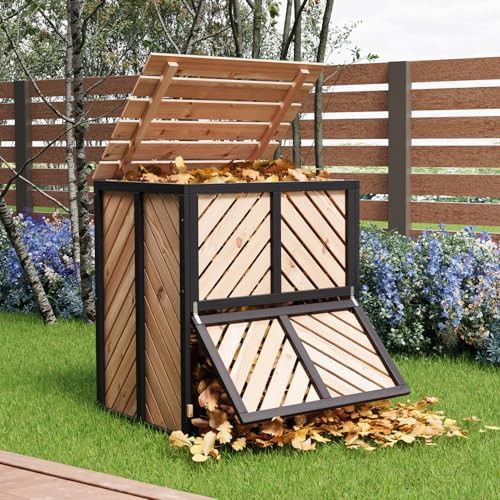 SOCOME Large cedar wood compost bin |
Extra large composters | SOCOME | $81.99 |
$81.99
See deal
|
| 2 |
9.3
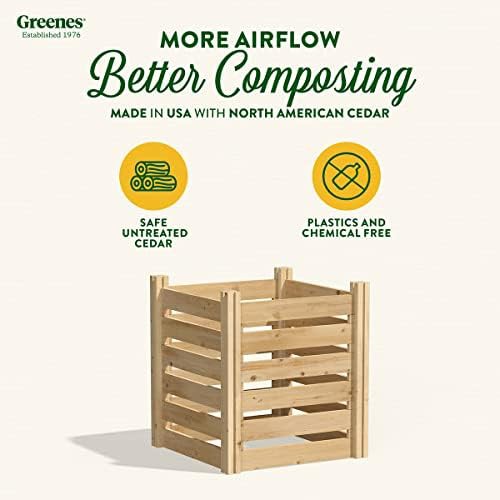
Greenes Fence Premium cedar wood expandable outdoor composter
|
Extra large composters · Expandable | Greenes Fence | $151 |
$151
See deal
|
| 3 |
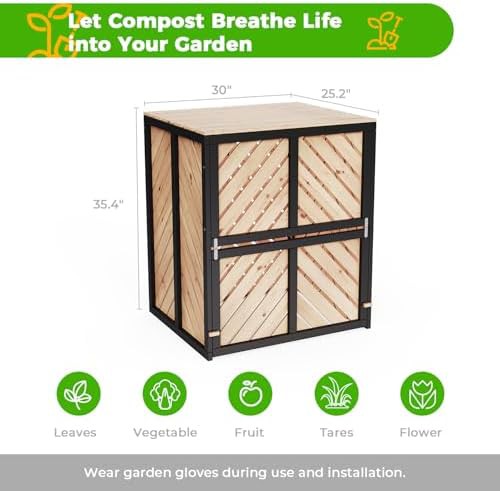
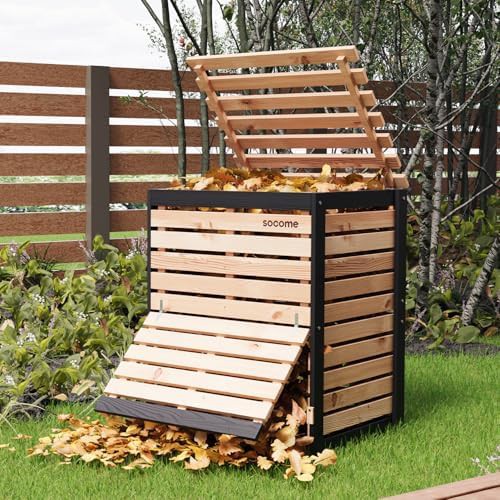 SOCOME Cedar wood composter 95 gallon |
Food waste composters · Aerated · Extra large composters | SOCOME | $79.99 |
$79.99
See deal
|
| 4 |
 8.9
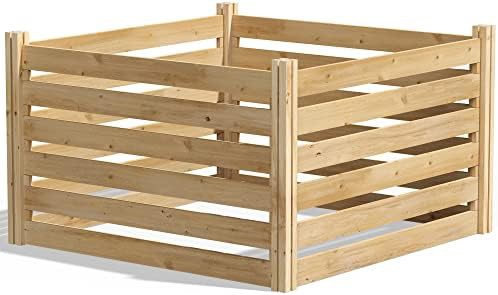
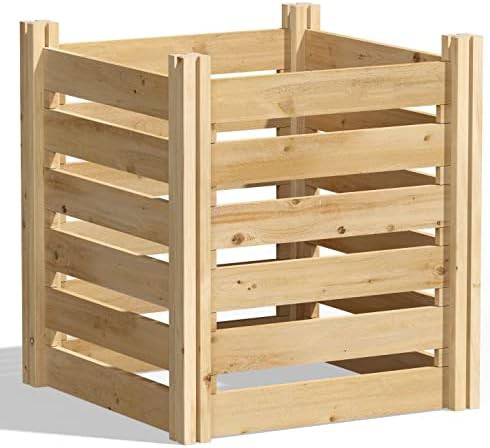
Greenes Fence Premium cedar wood slat composter |
Extra large composters | Greenes Fence | $152 |
$152
See deal
|
9.3
Extra large composters Expandable
8.9
No liner is required, but a base layer of coarse material helps airflow and keeps the bottom boards drier.
With ground contact and wet compost, expect several years before lower boards soften or need replacement.
These are outdoor bins; indoor use would trap moisture and odor without the airflow cedar relies on.
Yes, sizes range from around 77 gallons to 173 gallons with side dimensions like 24 by 24 or 36 by 36 inches.
Cedar wood compost bins are built from thick, rot-resistant boards that weather to a soft gray over time. The natural oils in cedar slow decay without chemical treatment, so the bin holds up through wet seasons and freeze-thaw cycles. These are static bins, meaning you fill them and let the pile break down in place rather than tumbling or turning the whole container.
The selection includes square and rectangular bins sized by volume and footprint. Common capacities run from about 77 gallons up to 173 gallons, with side dimensions like 24 by 24 inches or 36 by 36 inches and heights around 31 inches. Board thickness of 3/4 inch shows up on the larger models, which adds rigidity and insulation value.
Compared with plastic bins, cedar breathes, which helps manage moisture and reduces anaerobic smells. Compared with galvanized or stainless steel, cedar insulates better in cold weather but will eventually degrade and needs occasional tightening of hardware. It is heavier than plastic and not as easy to hose out, but it does not crack in UV light the way some plastics can.
Cedar bins are not rot-proof forever; the bottom boards and any ground contact points age fastest. A bin placed on soil or gravel will wick moisture into the lower boards, so many users line the base or set it on a hard surface. The lid, if slatted, sheds rain but may need a weight to stay put in wind.